
Cohort 2026 Research Placement Project
About The Project
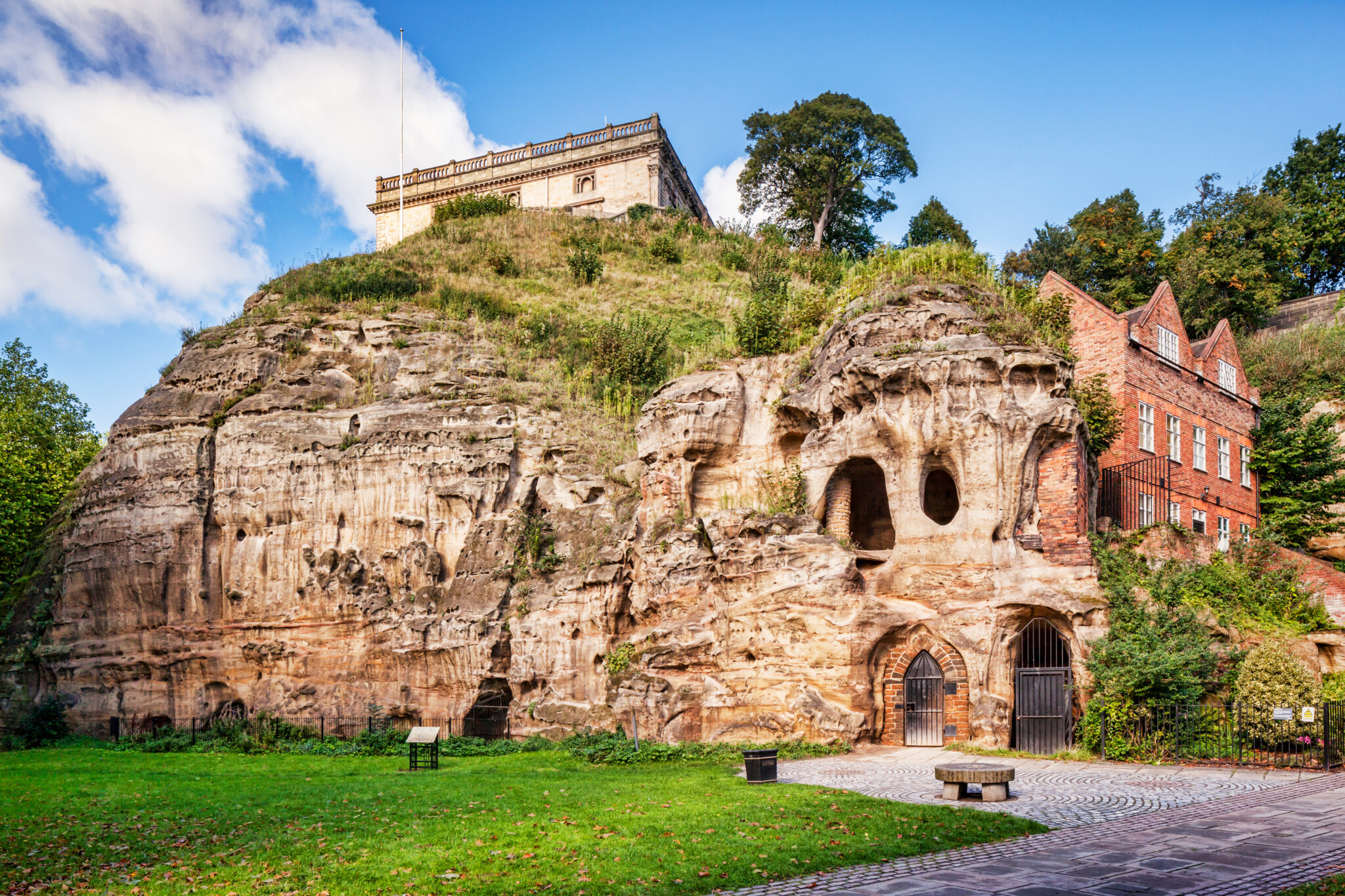
Nottingham’s collection of historic caves, an integral part of our city’s heritage, presents a key challenge: accessibility is restricted for some people within our diverse communities. Visitors with impairments are unable to physically access the caves; there is also socioeconomic inaccessibility – individuals from lower income backgrounds engage with heritage less than those from more affluent backgrounds. Furthermore, the stories traditionally told about these sites often overlook or fail to represent the different voices and lived experiences of contemporary diverse Nottingham communities. These problems are not unique to Nottingham’s caves; access to heritage sites can be hindered by cost, travel, physical accessibility or preservation restrictions. Thus, we urgently need research to address issues around accessibility and social inclusivity at heritage sites. This project will explore how immersive and digital technologies can make heritage more inclusive and accessible for everyone in Nottingham/Nottinghamshire.
The placement will make use of existing digital demonstrators that showcase Nottingham’s historic caves via 360° photos, viewable via headset, browser or mobile phone. Using these existing demonstrator tools, the placement will invite community participants to experience virtual recreations of Nottingham’s cave heritage, and to share their ideas and needs for more inclusive and representative digital heritage experiences. The project will also explore how digital access could benefit different heritage sites and experiences across Nottingham and Nottinghamshire, identifying opportunities and barriers to engagement.
The work will feed into a broader research programme on inclusive digital heritage being led by Nottingham Trent University, the University of Nottingham and the National Justice Museum.
By connecting immersive technology with community voices, this placement aims to help make Nottingham’s cultural heritage more open, representative and accessible for all.
Project Aims
The overall aims of the project are:
What specific requirements are presented by different heritage sites across Nottingham/Nottinghamshire?
How can digital heritage experiences best address accessibility challenges, allowing everyone, including people with impairments, to engage with heritage sites such as Nottingham’s caves?
How can we design inclusive digital heritage experiences that directly reflect and deliver on community-identified needs?
How can we support ‘device inclusivity’; i.e. designing experiences that are optimised for the range of technologies available to the users?
Project Team
- Research Candidate: Sarah Gomes
- Lead Supervisor: Professor Glyn Lawson (Nottingham Trent University)
- Co-Supervisor: Dr Christopher King (University of Nottingham)
- Community Supervisor: Gary Holmes (National Justice Museum)