
Collaboratory Researcher Profiles
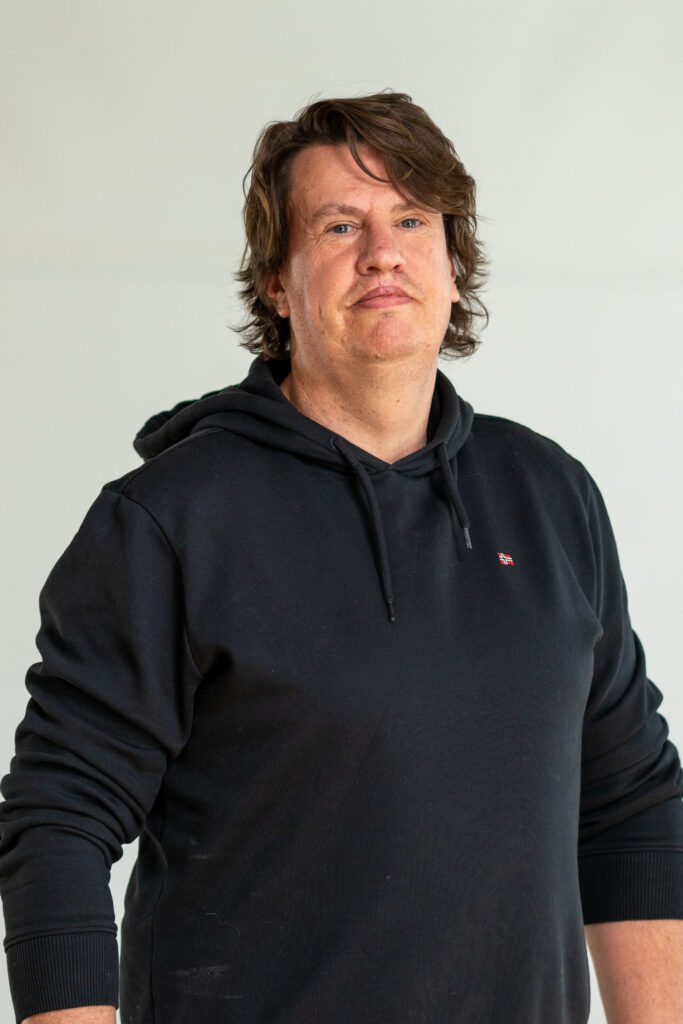
Project Title: Effective Community Leadership in Flood-Affected Areas: Understanding and Enhancing the Role of Flood Wardens in Leicestershire and Rutland
What were you doing before starting this PhD?
Before starting my PhD, I worked as an Emergency Planner with Leicestershire County Council. Prior to moving into emergency planning, I had worked as a Transport Manager since 1996, developing extensive experience in operational management, compliance, risk assessment, planning and multi-agency working.
In 2021, I decided to make a career change and undertook a two-year Master’s degree in Emergency Management and Resilience. Although transport management and emergency planning may appear to be different fields, I found that many of the core skills are closely aligned. Both require a strong understanding of risk, the ability to work with others, clear communication, forward planning, and the capacity to prepare for issues before they arise.
What motivated you to apply for this specific PhD project?
I was motivated to apply for this specific PhD project because it directly connects with both my professional experience and my academic interests. Through my work with Leicestershire County Council, I have been closely involved in supporting Volunteer Flood Wardens, developing guidance, contributing to training, and working with communities and partner agencies around flood preparedness and resilience.
My Master’s research also focused on flooding and community resilience, which helped me to see how important local knowledge, community relationships and trust can be before, during and after an incident. This PhD gives me the opportunity to build on that work in a much deeper way, bringing together practical emergency planning experience with academic research.
I was particularly drawn to the project because it has the potential to produce research that is not only academically valuable, but also useful to communities, local authorities and resilience partners. It offers an opportunity to better understand the role of Flood Wardens and how they can be supported to make a meaningful difference in flood-affected areas.
What difference do you hope to make in Leicester through this research?
Through this research, I hope to make a practical difference by raising the profile and importance of community resilience, particularly in relation to the role of Volunteer Flood Wardens. Flood Wardens are often embedded within their own communities and can provide local knowledge, reassurance, communication and support before, during and after flooding.
I hope the research will help to strengthen understanding of what Flood Wardens contribute, how they can be better supported, and how their role can be more clearly recognised within local resilience arrangements. By focusing on Leicestershire and Rutland, the research has the potential to produce findings that are locally relevant, but also useful to other areas facing similar flood resilience challenges.
Ultimately, I would like the research to help communities, local authorities and partner agencies think more clearly about how community resilience is developed, sustained and measured, and how volunteers such as Flood Wardens can be supported to make a meaningful and lasting contribution.
What do you hope to be doing in 5 years’ time?
In five years’, time, my highest priority is to have completed my PhD and produced research that makes a meaningful contribution to understanding Volunteer Flood Wardens, community resilience and flood preparedness.
In terms of future career prospects, I am very open-minded about the opportunities that may develop. This could include working within academia, contributing to government policy and practice, or working within the private or voluntary sector to support communities and strengthen resilience.
I see the PhD as a platform for future opportunities rather than a fixed route into one specific career path. I am flexible and open to the challenges and opportunities that may come from the research, particularly where I can use my experience and evidence from the PhD to make a practical difference to communities.