
Collaboratory Researcher Profiles
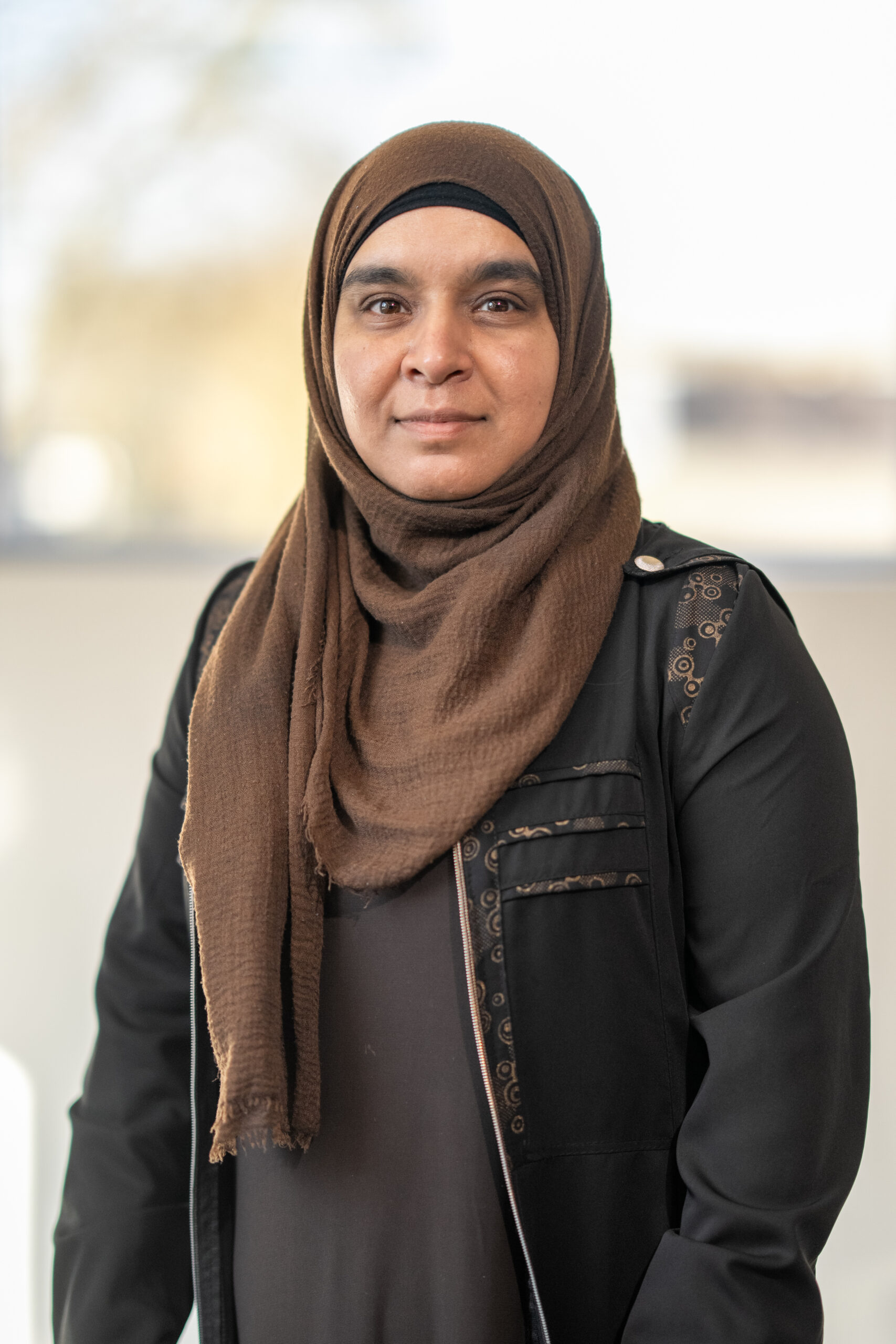
Anisah Hussain at Collaboratory Induction, Nottingham
Project Title: Developing a community-led approach to inclusive growth in Nottingham and Nottinghamshire
What were you doing before starting this PhD?
Before starting this PhD, I was working as a Programme Delivery Officer with The Scouts, following a decade-long career in administration, project management, risk assurance and youth development across corporate and voluntary sectors. My roles have included working at NHS hospitals, compliance and quality assurance in pathology services, and national programme development with The Scout Association. I’ve also supported young people with neurodivergence and long-term health conditions. Through this work, I developed a deep understanding of underserved communities and a drive to tackle social inequality through inclusive systems change.
What motivated you to apply for this specific PhD project?
This PhD speaks to every part of who I am, personally, professionally, and academically. I applied because I am part of the communities this research seeks to understand and empower. I have spent over a decade working in and with communities facing systemic disadvantage, from young people with health conditions to families experiencing poverty and underrepresentation.
Nottingham is my home, and I’ve witnessed both its potential and its pain. I’ve seen individuals with drive, skills, and resilience locked out of opportunity not because they lack talent, but because of barriers beyond their control: economic exclusion, discrimination, inaccessible jobs, and a lack of targeted investment. Through my work with Scouts, the NHS, and grassroots youth programmes, I’ve seen the real-life implications of poor policy design.
What truly motivated me is the opportunity to help shape a different narrative. This PhD isn’t just academic for me, it’s personal. I’ve researched inclusion, supported Muslim and Black communities, contributed to national reports like Missing Muslims, and developed youth provision in areas of deprivation. I’m motivated to channel these experiences into research that’s not only critical, but constructive, bringing new ideas, and creating platforms for communities to shape their own futures.
What difference do you hope to make in Nottingham through this research?
I want this research to help break cycles of inequality that have affected generations in Nottingham. I hope to create practical tools and policy frameworks that local authorities and community leaders can use to support meaningful inclusion, whether that means fairer job access, stronger support for neurodivergent people, or better representation in decision-making.
Ultimately, I want Nottingham to be a place where everyone can thrive, where your postcode, ethnicity, health condition, or background doesn’t limit your future. Through this research, I aim to build something lasting – a foundation for co-produced, community-rooted policy that uplifts and empowers the people who need it most.
What do you hope to be doing in 5 years’ time? (personally and/or professionally)
I hope to be leading inclusive policy development, either within local government, a national organisation, or a think tank, championing economic systems that serve everyone. Whether through continued research or practical implementation, I want to ensure the ideas from this PhD become embedded in policy and practice.