
Collaboratory Researcher Profiles
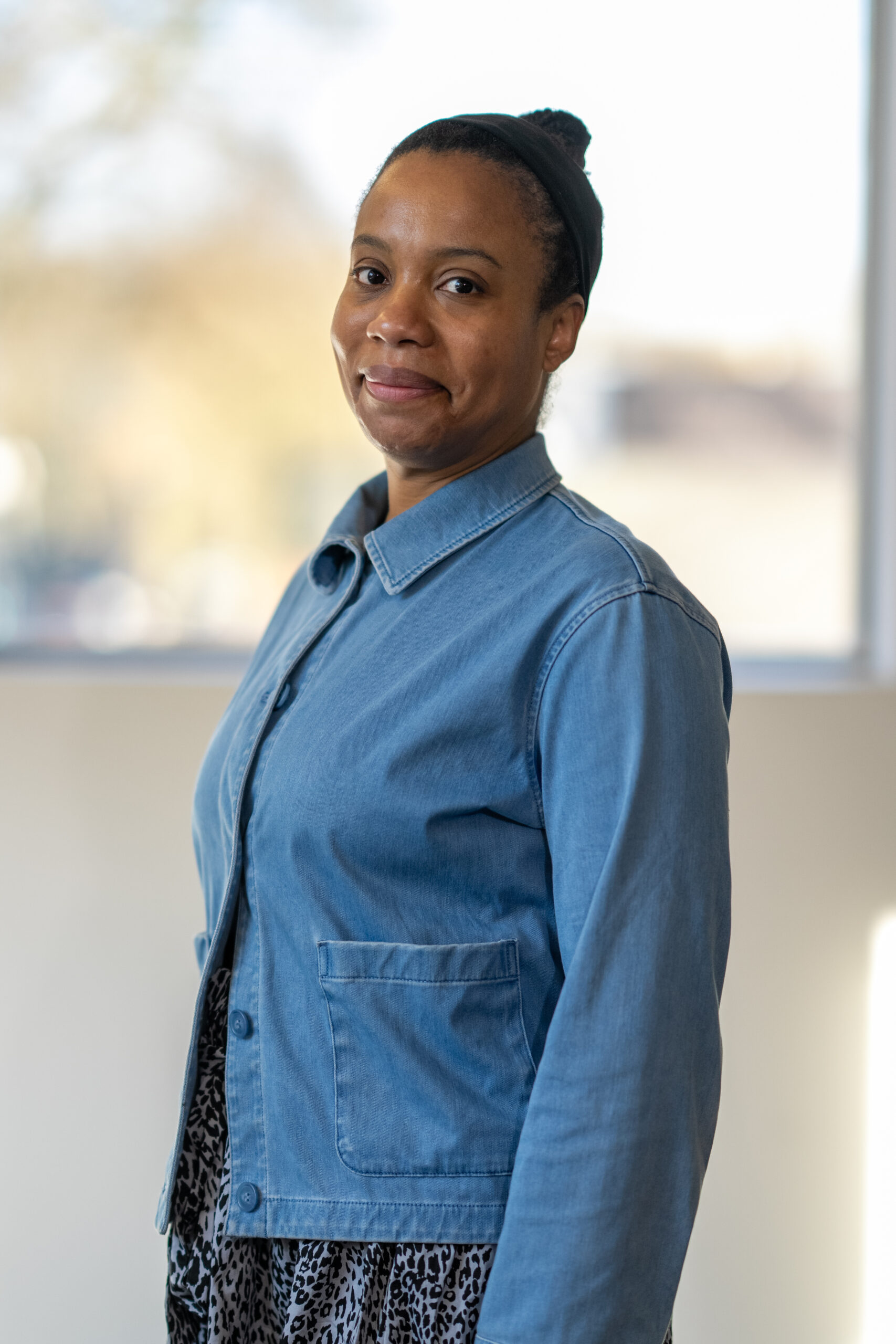
Project Title: Eating for Health: Addressing health inequality in Nottingham through improving food and nutrition
What were you doing before starting this PhD?
Before starting my PhD, I completed my masters in Nutritional Sciences at the University of Nottingham. Prior to that, I worked as a nutritionist running group weight management programmes for adults and children, delivering healthy eating workshops in schools, and doing one-to-one consultations with private clients. I also worked as a health writer, providing nutrition-related content for brands and publications. I have also worked as a research assistant.
What motivated you to apply for this specific PhD project?
I developed an interest in research in my previous role as a research assistant and wanted to pursue a project of my own. Healthy life expectancy in Nottingham is lower than the average in England. Diet and lifestyle are one way to prevent avoidable diseases such as type 2 diabetes, heart disease, and certain cancers. People who have a higher risk of poor health related to diet include those at risk of health inequality: for example, people on lower incomes, those in deprived areas, homeless people, people with disabilities and those from minoritised ethnic backgrounds.
Using data from Nottingham and Nottinghamshire NHS, I hope to identify areas with higher rates of non-communicable disease related to diet (e.g. type 2 diabetes and obesity). I hope to understand what the barriers are to people in these areas following nutrition and lifestyle guidance. At the moment, I hope to do this through a series of interviews, surveys and questionnaires.
This project is place-based: The data I am using is from Nottingham, and the people who are taking part in my project are from Nottingham. I hope this will give them a voice. This is important because it means the project has the potential to capture specifics about the culture and environment here that could inform policy and further research. I believe the consideration of, not only food, but also infrastructure, education, housing and employment is vital because these things also have an influence on people’s health and wellbeing.
What difference do you hope to make in Nottingham through this research?
Ideally, I hope to contribute to work that sheds light on local needs and uncovers which groups or communities are most affected by health inequalities related to food and diet. I aim to share my findings with my community partner (Nottingham & Nottinghamshire ICB) and I hope my work can eventually shape more inclusive health policies that eventually lead to improved health outcomes.
What do you hope to be doing in 5 years’ time? (personally and/or professionally)
I am excited about the potential for community engagement and hope to get to know local communities in Nottingham better. I aim to develop research skills to enable me to share meaningful knowledge about marginalised communities who have poorer health outcomes for avoidable diseases related to diet and lifestyle. I plan to use the findings from my project to create resources for the local community that can be used and reused to support health and wellbeing.