
Collaboratory Researcher Profiles
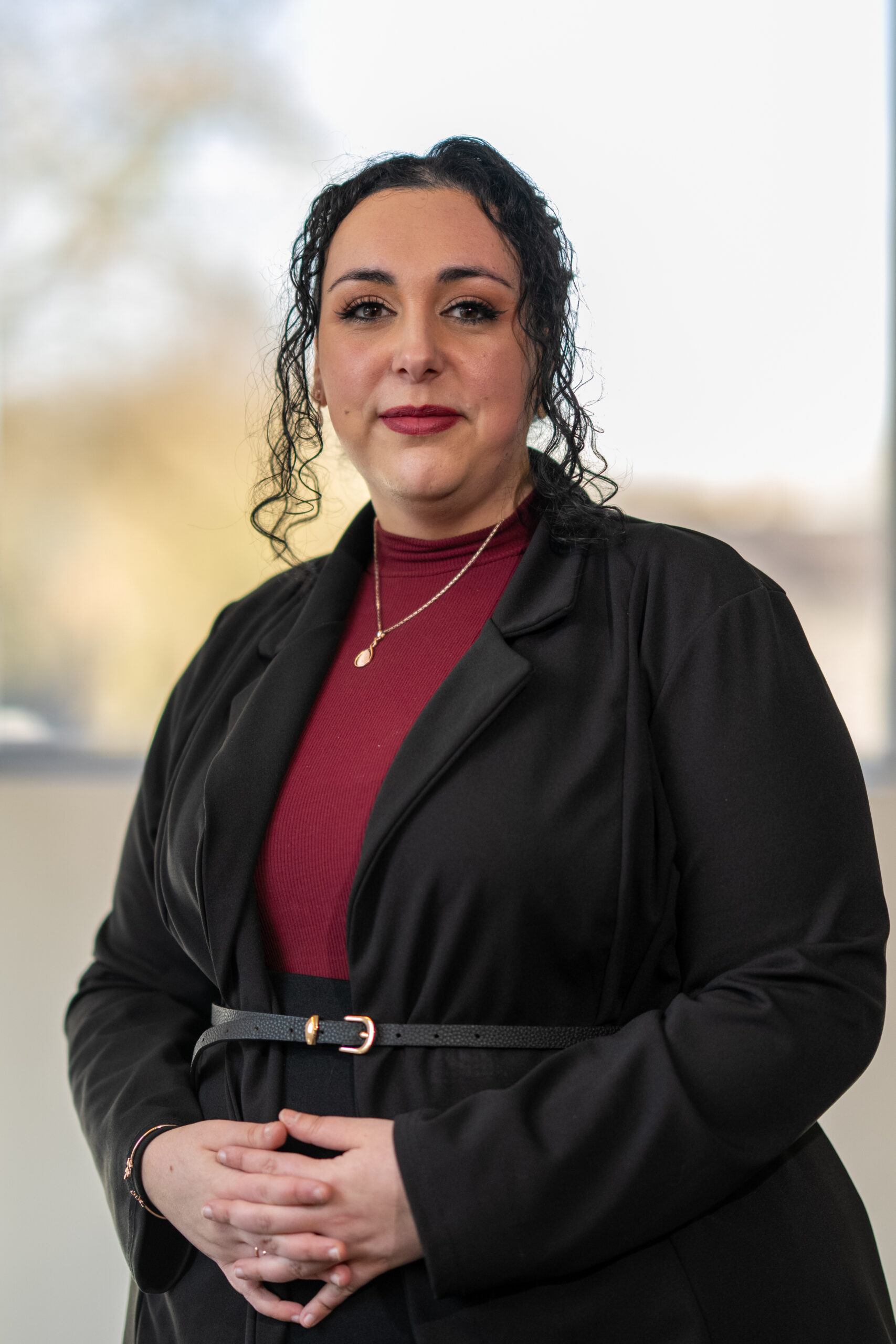
Project Title: Responding to post-diagnostic support needs for late-diagnosed autistic adults in Nottingham(shire)
What were you doing before starting this PhD?
Before beginning my PhD, I completed a BSc in Psychology with Counselling Skills at Middlesex University before moving to Nottingham to join Autistic Nottingham. During my time there, I worked across a variety of roles, including delivering autism training, supporting autistic adults as a Personal Assistant, facilitating social groups, and collaborating with the NHS on projects to improve services, such as research exploring the benefits of peer support and the development of sensory-friendly resources for mental health settings. I also became an Oliver McGowan Mandatory Training expert and facilitator, an Anna Freud trainer, and a SPELL trainer.
Looking back, what I am most proud of isn’t any particular role or qualification, but the opportunity to make a positive difference in people’s lives. Whether supporting autistic adults directly or delivering training to professionals, I’ve been fortunate to see people grow in confidence, better understand themselves or others, and move forward with greater acceptance. Hearing from participants who tell me that a training session changed how they support autistic people—or even how they understand a family member or themselves—has been one of the most rewarding parts of my career.
What motivated you to apply for this specific PhD project?
Growing up, I never imagined I would complete a university degree, let alone begin a PhD. For many years, I didn’t understand why I experienced the world differently, and I know there are still autistic adults asking themselves, “What’s wrong with me?” One of the reasons this research matters so deeply to me is because I want more people to discover that there is nothing wrong with them—they are autistic, and with the right understanding and support they can build lives in which they thrive.
My autistic niece is also a constant source of inspiration. Watching her grow up with understanding, acceptance and the freedom to be herself reminds me why this research is important. I hope that my work contributes to a future where autistic people are not expected to change who they are to fit society, but where society increasingly understands and accommodates autistic ways of thinking, communicating and experiencing the world.
Throughout my work with Autistic Nottingham, the NHS and the wider autistic community, I met many adults who described diagnosis as the beginning of a new journey rather than the end of one. While receiving a diagnosis often brought answers and relief, many people were left asking, “What happens next?”
Having seen these experiences first-hand, I wanted to undertake research that could make a practical difference. The Collaboratory programme stood out because it values partnership working and co-production, allowing me to work alongside the community rather than simply researching about it. That approach reflects my own values and my belief that the best research is shaped by the people it aims to benefit.
What difference do you hope to make in Nottingham through this research?
Although I didn’t grow up in Nottingham, it has become my home. After completing my undergraduate degree, I moved here to join Autistic Nottingham, and since then the city has shaped both my professional and personal journey. Through my work, I have had the privilege of supporting autistic people, collaborating with local NHS services, delivering training across the region, and working alongside community organisations to improve understanding and inclusion.
My PhD allows me to continue building on those relationships. Rather than researching about the community, I want to conduct research with the community, ensuring that the voices and experiences of autistic people help shape future post-diagnostic support across Nottingham and Nottinghamshire.
I hope this research helps strengthen the support available to autistic adults across Nottingham and Nottinghamshire by providing evidence that local organisations, healthcare services and policymakers can use to shape future practice. I also hope it encourages greater collaboration between researchers, healthcare professionals, community organisations and autistic people themselves. Lasting change happens when people work together, and I believe those with lived experience should be at the heart of decisions that affect them.
Ultimately, I would like my research to contribute to creating communities where autistic people feel understood, valued and supported to be themselves.
What do you hope to be doing in 5 years’ time? (personally and/or professionally)
In five years’ time, I hope to have completed my PhD and be continuing to work in autism research that directly informs policy, healthcare and community practice. I would love to continue collaborating with autistic people, community organisations and researchers to improve services and ensure that research is translated into meaningful, real-world change.
Personally, I hope to look back knowing that I have made a positive difference—whether that is through improving support after diagnosis, influencing services, or helping autistic people feel better understood. If my work contributes, even in a small way, to creating a society where autistic people can thrive rather than simply survive, I will consider that a success.