
Collaboratory Researcher Profiles
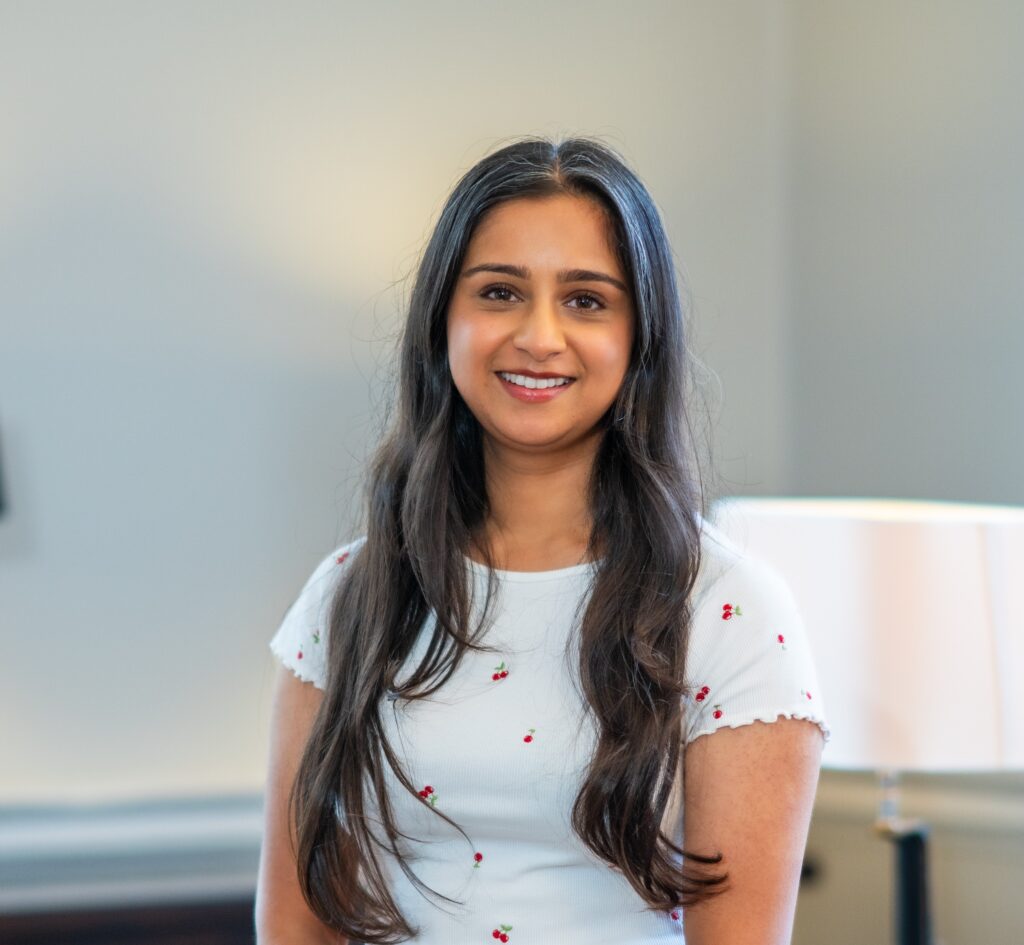
Project Title: Inclusive Heritage in Superdiverse Places: Redesigning inclusion in heritage content, practice, and policy in Leicestershire
What were you doing before starting this PhD?
Before starting my PhD, I worked in Higher Education, most recently as a Research Project Manager in the Arts and Humanities. In this role, I managed externally funded research projects, supported academic teams, and ensured projects were delivered ethically and effectively. This experience strengthened my skills in collaborative research, stakeholder engagement, and community-focused project delivery.
Alongside this, I served as Chair of the BME Staff Network, where I worked to challenge structural inequalities and advocate for meaningful institutional change. I am particularly passionate about addressing systemic racial injustice and embedding equity into organisational practice.
Outside of my professional role, I am involved in patient advocacy networks working to improve healthcare outcomes for BME communities affected by kidney-related illnesses. I also write creatively, producing short stories and theatre pieces that explore the complexities of British Asian identities beyond stereotypical representations. These experiences continue to shape my research and commitment to inclusive knowledge production.
What motivated you to apply for this specific PhD project?
This project aligns closely with my academic interests, lived experience, and long-standing commitment to amplifying marginalised voices, particularly within British South Asian communities. The project’s focus on inclusive heritage in superdiverse places such as Leicestershire resonates deeply with me—my own family settled in Leicester after migrating from Kenya in the late 1960s.
What drew me to this project specifically was its emphasis on co-creation, equity, and community-led approaches to heritage. Rather than viewing inclusion as an add-on, the project seeks to redesign heritage content, practice, and policy from the ground up. That alignment between personal history, academic inquiry, and social impact is what made this opportunity particularly meaningful.
What difference do you hope to make in Leicester through this research?
I hope this research will contribute to making hidden or underrepresented histories visible within local heritage spaces. By working collaboratively with diverse South Asian communities, I aim to support more equitable access to participation in heritage and ensure that institutions better reflect the people they serve.
Ultimately, I see this project as an opportunity to give back to the communities that shaped me—strengthening dialogue between heritage organisations and local communities, and helping to build more inclusive and sustainable cultural practices.
What do you hope to be doing in 5 years’ time?
In five years’ time, I hope to be working at the intersection of academia, heritage, and community engagement—developing inclusive research projects that influence policy and practice.
I would like to build long-term legacy initiatives emerging from this PhD, such as community archives, education programmes, and creative platforms that continue to empower local communities beyond the life of the research. I also hope to mentor students from underrepresented backgrounds and support widening participation in Higher Education.
Above all, I hope to continue using research as a tool for equity, representation, and meaningful social change