
2023 PhD Project
About The Project
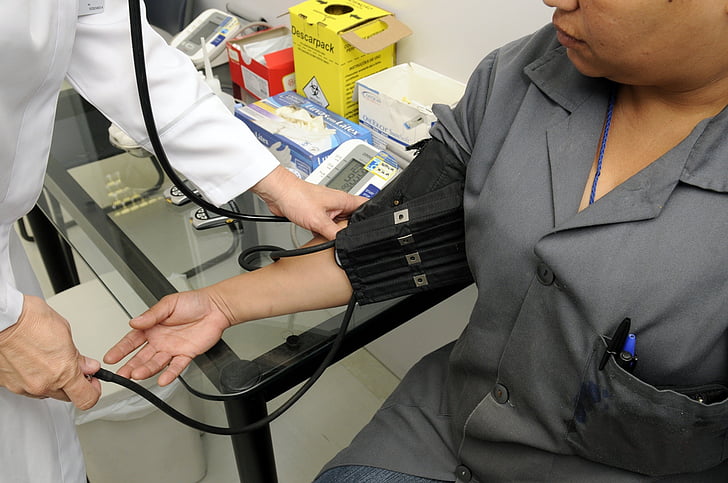
This project examines how trust shapes participation in health promotion activities among Pakistani women living in Nottingham. It explores how trust is understood and experienced within healthcare encounters, community relationships and institutional contexts, recognising trust as a dynamic, relational and culturally situated phenomenon.
Drawing on the lived experiences of Pakistani women, the research investigates the factors that influence trust in health information, healthcare professionals and health promotion services, and examines how these experiences affect decisions to engage with health-promoting activities. The findings aim to contribute to a deeper understanding of trust within marginalised communities and provide recommendations for developing culturally responsive health promotion practices and policies that support greater participation and help address health inequalities.
Research shows that there is a correlation between trust and health outcomes (Birkhauer, et al. 2017), that (in the US) there is a correlation between low income and low trust in physicians (Blendon et al, 2014) and that low levels of trust within an ethnic group create barriers to taking up social and financial opportunities (Smith, 2010). Research has also shown that, generally, high degrees of ethnic diversity (initially) correlate with low levels of trust (Dinesen et al, 2020); low levels of education correlate with low trust (Wu, 2021), and that poverty and deprivation correlate with low levels of trust (Jachimowicz, et al, 2017). Other findings have reinforced the intuitive notion that trust in social ‘outgroups’ is low (Gundelach, 2014). In sum, low levels of trust correlate with poor health outcomes and low levels of trust correlate with poverty, low educational attainment, and ethnic diversity. This leaves Nottingham facing a significant challenge.
These specific issues should be viewed against a backdrop of generally declining trust in institutions, especially government. The UK has consistently experienced lower levels of trust in government than other liberal democracies. Though there was an uptick in trust during the COVID-19 pandemic, this has now returned to pre-pandemic levels (IPPR, 2021: 15). Despite the national outlook, Adams and Lalot (2021) report higher than expected levels of trust in local government, with this trust proving more resilient than trust in national government. Generally, then, during the pandemic there were significant changes to all aspects of interpersonal attitudes and relationships and to the attitudes and relationships between healthcare providers, governance mechanisms, and the populations that they serve—including in the area of trust. There are known correlations between trust and a range of other phenomena.
Overall, the health of people in Nottingham is generally worse than the England average. This can be clearly seen when comparing life expectancy and healthy life expectancy in Nottingham to other parts of the Country (Joint Health and Wellbeing Strategy 22-25). Through exploring the changes that have occurred in Nottingham City, especially as they impact trust, we hope to ultimately improve the health of the local area through listening to the local voice and the resultant impact on health-promoting activities.
This project has been co-created and is supported by researchers from Nottingham Trent University, the University of Nottingham and partners at Nottinghamshire Healthcare NHS Foundation Trust.
Project Aims
This project aims to explore how Pakistani women living in Nottingham understand and experience trust in relation to health and healthcare, and to examine how trust influences participation in health promotion activities. It seeks to identify the social, cultural and institutional factors that shape trust, including experiences with healthcare professionals, health information and support services. By amplifying the lived experiences and perspectives of Pakistani women, the research aims to inform the development of more culturally responsive and trustworthy health promotion approaches, ultimately supporting more equitable healthcare provision and contributing to efforts to reduce health inequalities.
The Project Team
- PhD Candidate: Amreen Aslam
- Lead Supervisor: Prof Jonathan Tallant, UoN
- Co-Supervisor: Dr Leah Jayes, NTU
- Co-Supervisor: Dr Jo Morling, UoN
- Community Supervisor: Rich Brady, Nottingham City Integrated Care Partnership