
Collaboratory Researcher Profiles
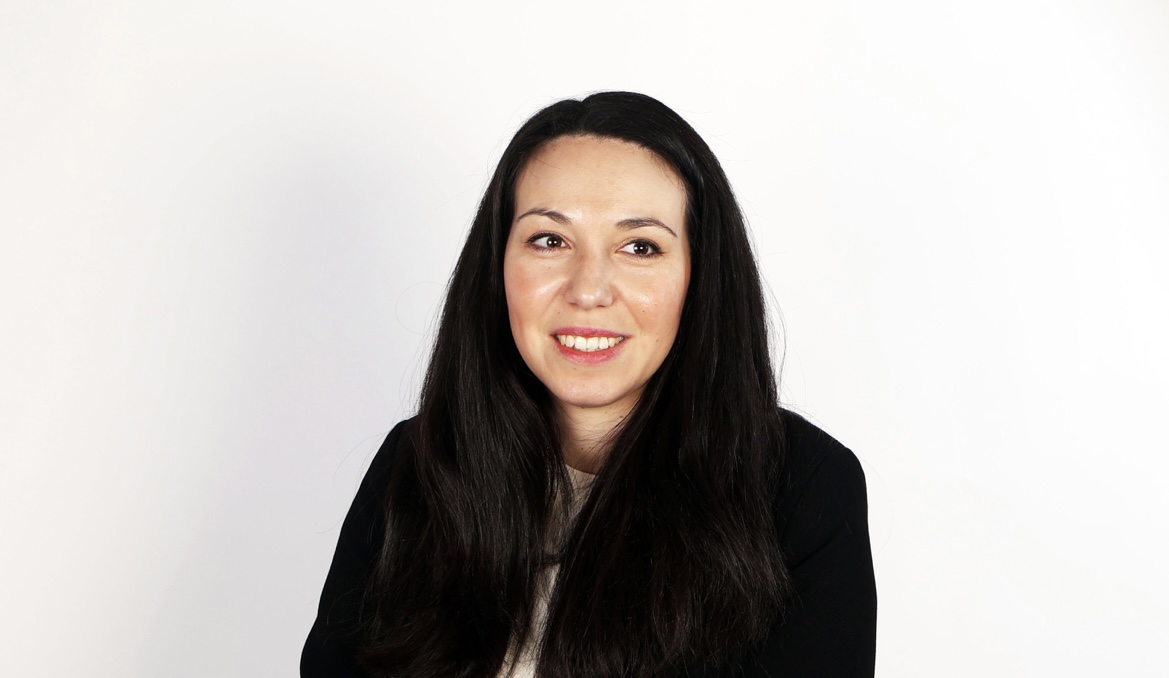
Project Title: New Roots, Active Lives: Forced Migrant Wellbeing, Community Sport and Physical Activity in Charnwood
What is your connection to Leicester, and what were you doing before starting this research placement?
I am based in the East Midlands and collaborate closely with community organisations and local networks across Leicester, Loughborough and Charnwood. My research placement is embedded within community spaces, sport programmes and wellbeing hubs supporting forced migrants. Leicester has become a place where my research, my community engagement, and my values intersect.
Before taking on this research placement, I worked for several years in Higher Education research administration and operations across universities including Middlesex, UAL, UCL, and City, University of London. My roles focused on supporting academic researchers and postgraduate students throughout the research lifecycle — from admissions and onboarding to ethics approvals, milestone monitoring, examinations, and final award. I improved data governance for REF/KEF, designed research and student-facing processes, and developed dashboards that enabled evidence-based decision making. I also organised researcher development workshops, facilitated knowledge exchange, and supported research communities in accessing the systems and resources they needed to succeed. Alongside my professional roles, I am completing postgraduate studies in Higher Education Leadership and Management, specialising in qualitative and community-focused research approaches. I also serve as Vice President of the Meadows Family Hub (Nottingham City Council) and as a Network Coordinator & Ambassador for AHEP, where I lead partnerships, co-design community programmes, and strengthen cross-institution networks. These experiences have placed me at the intersection of research, community collaboration and social impact, and have shaped a belief that research is most valuable when it informs real-world practice and improves people’s lives.
What motivated you to apply for this specific research placement project?
I was drawn to this placement because it brings together everything I care about: community engagement, social impact, and research that leads to real change. I believe in research that is not just extractive but collaborative — where people with lived experience shape the questions, influence decisions, and benefit directly from the outcomes. What motivated me to apply was the opportunity to work directly with community partners and participants, listen to their stories, and co-create insights that can strengthen programme design and remove barriers to inclusion. This placement aligns closely with my values and long-term goals, and it offers the rare opportunity to see how research can support wellbeing and community connection in real time.
Why do you think this research is important?
I believe this research is important because it explores how community-based activities can create spaces where refugees and people seeking asylum feel welcome, connected, and able to participate on their own terms. Forced migrants often experience uncertainty, isolation, and barriers to services, yet community sport and wellbeing activities can offer routine, confidence, and a sense of belonging. By listening directly to participants and community partners, this research provides insight into what supports engagement, what gets in the way, and how programmes can be designed in ways that are inclusive, culturally sensitive, and trauma-aware. The findings can help organisations strengthen their practice, evidence their impact, and secure future funding — ensuring these initiatives are sustainable and continue to benefit the people who rely on them. This research is not only about improving activities, but about fostering belonging, dignity, and agency.
What do you hope to be doing in 5 years’ time? (personally and/or professionally)
In five years, I see myself undertaking a PhD focused on social impact, community wellbeing, or forced-migrant inclusion, using research to influence real-world change. I want to work at the intersection of research, community engagement, and social innovation—using data and insight to improve how services are designed and delivered. Through my leadership roles as Vice President of a Family Hub and AHEP Ambassador, I have seen how powerful evidence can be in shifting systems, advocating for better resources, and amplifying community voices. My long-term goal is to produce research that leads to practical change in policy and service delivery, and improves how people experience belonging, wellbeing, and inclusion.