
Collaboratory Researcher Profiles
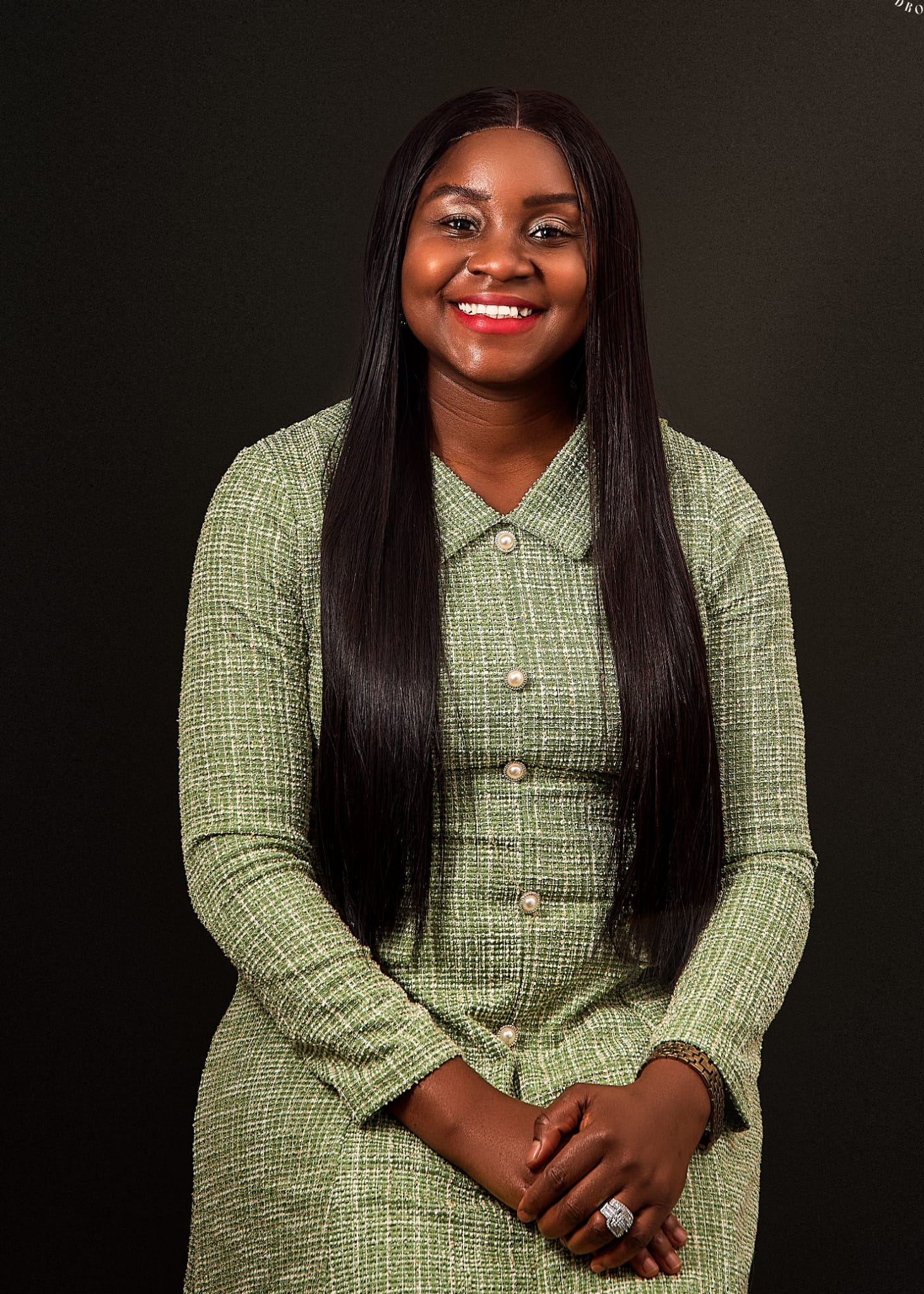
Project Title: The Digital Divide in the East Midlands: Intersectional Barriers to Skills and Social Connectivity for South Asian Women
What were you doing (e.g. type of work/study) before your PhD/Placement?
I was leading SheLeadership, an organisation I founded to advance women’s leadership through research, thought leadership, and leadership development. Alongside this, I was actively engaged in academic research, writing, and publishing on leadership, organisational behaviour, employee engagement, hybrid working, workplace inclusion, gender equity, organisational climate, employee productivity, and employee commitment.
My work has resulted in several academic and professional publications, including Building Connection Capital in Hybrid Teams: A Theoretical Framework for Leadership and Employee Engagement in HRD4.0, which received the Best Conference Paper Award at the University Forum for Human Resource Development (UFHRD) Annual Conference 2025. My research portfolio also includes studies on organisational climate and employee productivity, employee commitment, gender equity in leadership, workplace equality, intersectionality, sexual and reproductive health and rights (SRHR) in the workplace, equity and justice in higher education, the experiences of Black and minoritised ethnic students, and the systemic, cultural, and internal barriers to women’s leadership. My connection to the East Midlands stems from my time living, studying, and conducting research in Nottingham.
Through my academic work and collaborations with researchers and community organisations in the region, I was keen to contribute to a project addressing digital exclusion and the experiences of South Asian women in the East Midlands.
What are you researching?
The project explored the digital divide experienced by South Asian women in the East Midlands, with attention to the intersectional barriers affecting digital skills, digital confidence, and social connectivity. Through community engagement and qualitative research, I examined how cultural expectations, language barriers, caring responsibilities, confidence, and access to resources shape women’s digital participation and everyday experiences.
What motivated you to apply for this specific Placement project?
I was motivated to apply for this placement because it aligned closely with my research interests in inclusion, equity, leadership, and the ways structural barriers shape people’s opportunities and experiences. While much of my previous research has focused on organisations and workplaces, this project offered an opportunity to explore these issues within communities and to better understand how digital exclusion intersects with gender, ethnicity, culture, language, and migration, influencing access to skills, services, and social connections.
Why do you think this research is important?
I believe this research is important because digital inclusion is no longer simply about access to technology. It is important for education, employment, healthcare, public services, and social participation. Understanding the lived experiences of South Asian women enables researchers, policymakers, and community organisations to design more inclusive and culturally responsive interventions that address the root causes of digital exclusion rather than its symptoms.
What difference do you hope to make in the East Midlands through this research?
I hope this research contributes to practical solutions that reduce digital exclusion for South Asian women across the East Midlands. By providing evidence on the barriers they face, I hope it informs more inclusive digital inclusion programmes, strengthens community support, and helps policymakers and local organisations design services that are more accessible, culturally responsive, and effective.
What do you hope to gain from undertaking this research? (personally and/or professionally)
I hope to gain more experience in community-based research, particularly in understanding how lived experiences can inform inclusive policies and practices. I also hope to strengthen my skills in qualitative research, stakeholder engagement, and translating research findings into practical recommendations.
In five years, I hope to be an established researcher and leader working at the intersection of inclusion, leadership, and social impact. I aim to continue producing research that influences practice while developing initiatives that create greater opportunities for underrepresented communities.