
Cohort 2026 PhD Project
About The Project
This PhD project will study how inclusive community engagement in regeneration can create positive, sustainable change and foster pride in place across socio-economically diverse community groups. Centred on Kimberley, Nottinghamshire, the study will work with residents, community organisations, and councils to study—and co-create— regeneration strategies. Focusing on the Bennerley Viaduct and the new Cycle Path Network, it examines how regeneration is enacted in practice and how diverse community voices shape its outcomes. Kimberley communities face well-documented challenges: post-industrial socio-economic decline, weak everyday connectivity, reduced opportunities for young people, and the erosion of industrial identity.
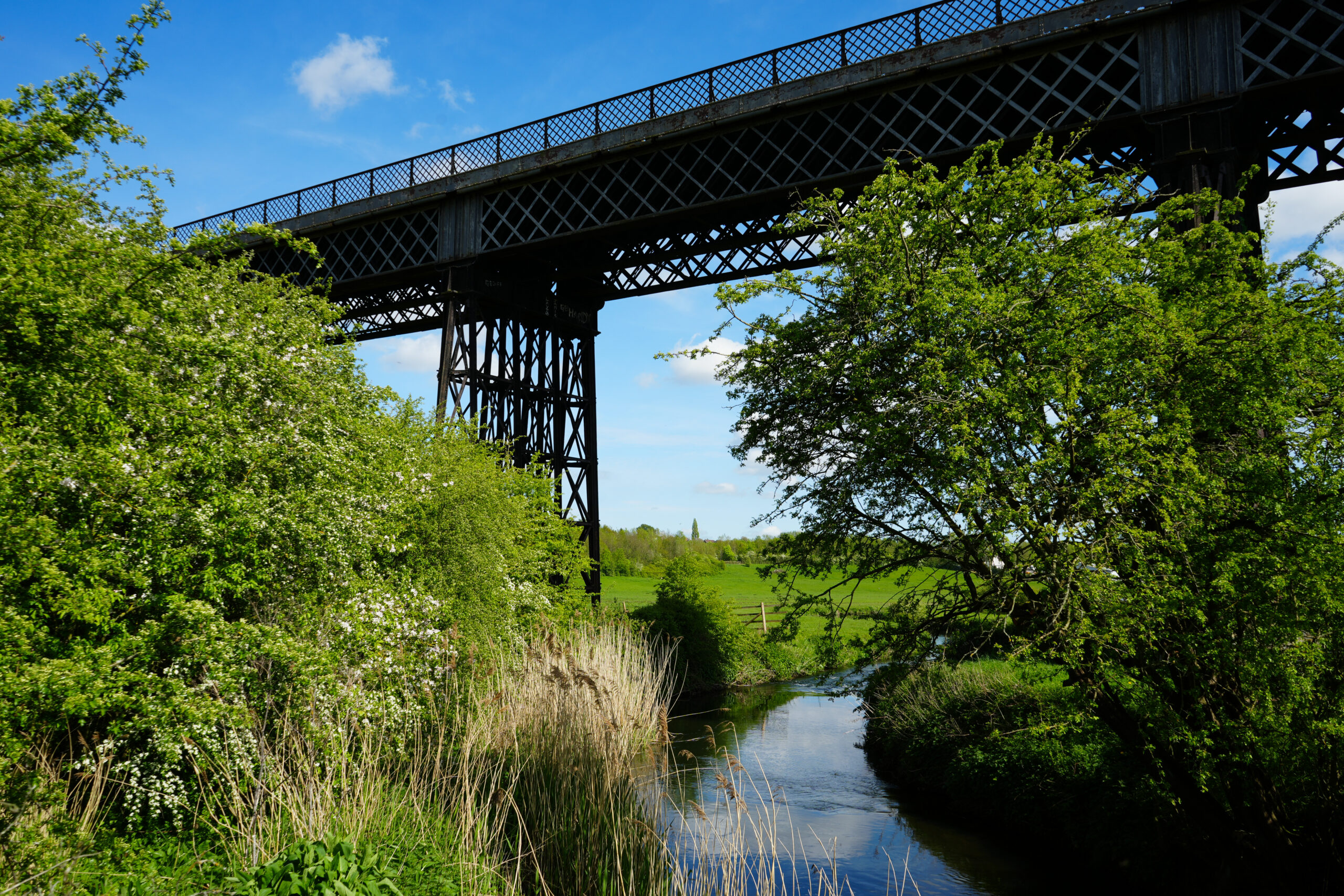
Levelling Up funding targets these issues through Kimberley Means Business- including an active-travel network linking the town centre to Phoenix Park tram stop, Giltbrook and Bennerley Viaduct, a Grade II* wrought-iron landmark spanning the former coalfield. Regeneration around the Viaduct advances three aims: Connectivity – enabling low-carbon routes between key destinations Heritage – valuing the mining community’s history Ecology – restoring biodiversity and a surrounding wildlife corridor Regeneration is often assessed on plans and outputs; far less is known about how it is actually made on the ground within a socioeconomically diverse community context – whose voices shape priorities, how everyday practices include/exclude community voices, and how this, in turn, built, sustain or erode community pride in place. Addressing this gap, the PhD will coproduce research and inclusive strategies using participatory qualitative research, including participatory focus groups, creative visual methods, and narrative interviews. Exploring regeneration-as-practice, the study will trace how regeneration is enacted and (re)shaped through volunteering, meetings, and day-to-day use of new routes and spaces, and how different communities (youth, renters, lower-income households, heritage volunteers) experience and can contribute to sustainable, place-based change, and with which social and ecological benefits. Research and impact will be co-created with community-focussed and civic partners, offering actionable lessons for Kimberley and transferable learning for other Nottinghamshire towns, and beyond.
This research addresses the interlinked challenges and opportunities facing Kimberley, a Nottinghamshire town whose communities have been shaped by industrial legacies and socio-economic decline. The research will both study and contribute to how social and ecological challenges and opportunities are strategised and tackled through regeneration practice in Kimberley and its surrounding areas, with a particular focus on the Bennerley Viaduct. Built in 1877 by the Great Northern Railway Company, the Viaduct has been internationally recognised for its heritage significance and ecological importance. Its regeneration presents a unique opportunity to build a site that celebrates local identity while fostering inclusive, sustainable development.
This project has been co-created with and is supported by researchers from Nottingham Trent University, University of Nottingham, and partners at Bennerley Viaduct.
Project Aims
The overall aims of the project are:
To assess the relationship between investment in regeneration and its social and environmental effects, identifying opportunities/challenges in delivering equitable, community-engaged sustainable change.
To analyse how experiences of inclusion/exclusion, across formal planning and informal community practices, shape regeneration strategy and practice and their effects.
To explore and explain how practices of inclusion/exclusion build, sustain, erode pride in place across diverse community groups and may foster collaborative place stewardship.
To amplify the voices and agency of local residents and external stakeholders (including investors and visitors) in the design and realisation of regeneration strategies, fostering dialogue across different interests and identities.
To provide evidence on the benefits of co-creating regeneration initiatives through engagement with local actors, demonstrating how participatory approaches can enhance legitimacy, relevance, and sustainability.
Project Team
- PhD Candidate: Rachel Moreton
- Lead Academic Supervisor: Dr Toke Bjerregaard (Nottingham Trent University)
- Academic Co-Supervisor: Dr Lara Bianchi (University of Nottingham)
- Community Supervisor: John Scruton (Bennerly Viaduct)