
Collaboratory Researcher Profiles
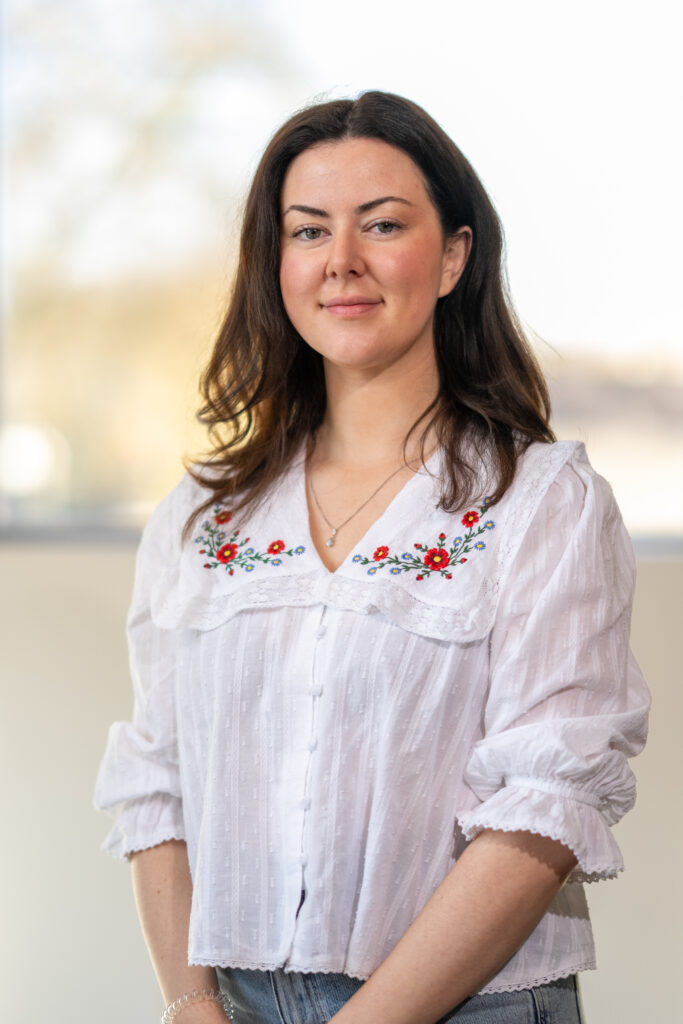
Project Title: What are the benefits and challenges of volunteering for domestic violence and abuse (DVA) organisations for those with lived experience?
What were you doing before starting this PhD?
Before starting my PhD, I spent a decade working in the field of men’s violence against women, having graduated from my undergraduate degree at NTU in 2015. I was part of the leadership team that made misogyny a hate crime in Nottinghamshire, which led to me training all control room staff and police officers to recognise and respond to incidents of street harassment.
I later worked at National Grid in their Public Affairs and Policy Team, where I helped shape and deliver two key reports used to lobby the government and civil service to support Net Zero ambitions. During my time in the role, I contributed to campaigns focused on supporting the ‘green collar’ job pipeline and advancing heat and transport decarbonisation.
After that, I co-founded an organisation called Love & Power, which supports feminists to connect, develop campaigning skills, and revitalise feminist organising and movement-building in the UK. We led several campaigns, including Some Women Need to Walk, which held socially distanced public actions across the country and successfully called for increased funding for domestic abuse survivors. A Bum Deal advocated for more baby changing facilities in spaces accessible to male caregivers. We also worked with students to address sexual violence in higher education, supporting them to engage with key policymakers, including the Department for Education. One of my main objectives at Love & Power was to build a space for women to collaborate with the knowledge that many of us are survivors. Our organisational DNA was focused on honouring not othering those experiences.
Most recently, before starting my PhD, I worked at Refuge as Interim People Development Manager and Domestic Abuse Trainer. In this role, I helped design and deliver key training for internal support staff, including an OCN-accredited Level 3 course, often lovingly referred to in the sector as the IDVA qualification.
What motivated you to apply for this specific PhD project?
I’ve always felt frustrated by the way society tells the story of survivors. The experience is often portrayed as extreme and rare, leaving those affected in a state of isolation.
In reality, domestic abuse is an incredibly common experience for women. The more we ‘other’ it, the more we fail to recognise it as a systemic issue that affects all of us. Survivors have often navigated complex risks, financial pressures, and social dynamics with resilience and skill. While it’s essential not to minimise the harm they’ve experienced, it’s equally important to recognise that people with lived experience have full, skilled lives, often carrying a sharp sense of justice and insight that enriches our families and communities, every day.
This project was really exciting to me as it looked to move away from these myths we hold about survivors of domestic abuse and be honest about the capabilities and capacity of survivors and be hopeful about a future we can achieve, if we work together.
What difference do you hope to make in Nottingham through this research?
Myself and my supervisors hope that this research will be accompanied with practical resources for the women’s sector to advise on how to safely support and celebrate survivors of domestic abuse who want to volunteer.
What do you hope to be doing in 5 years’ time?
Professionally, in 5 years’ time, I would hope to still be working in the VAWG (violence against women and girls) space. Hopefully in a role that allows me to use this research to expand people’s opinions on what survivors are capable of.
Personally, I’m excited to keep building a life rooted in community, family and partnership and to make space for happiness outside of work too.