
Collaboratory Researcher Profiles
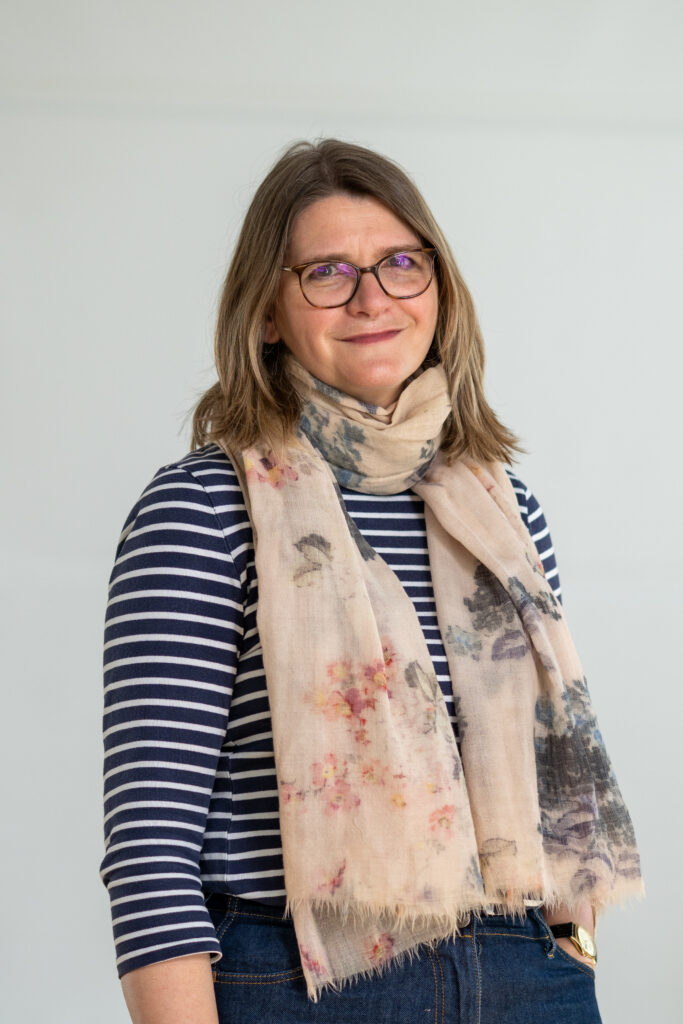
Project Title: Pride in Place, Voice in Practice: A Collaborative Study of Inclusive Regeneration in Nottinghamshire
What were you doing before starting this PhD?
Before embarking on the PhD I worked for over 15 years as a social researcher. I spent time in central government, working for an independent consultancy and as a freelancer. My work ranged over a wide variety of topics, but was often concerned with aspects of social exclusion/inclusion – whether that be understanding why certain groups are under-represented in higher education or exploring what works in supporting people experiencing severe and multiple forms of disadvantage such as homelessness and drug and alcohol problems.
What motivated you to apply for this specific PhD project?
The themes of the project strongly resonated with issues I have been interested in for some time. Much of my recent work has been evaluating programmes that aim to take a ‘place-based’ approach to addressing complex social issues. I’m interested in how the particular geography, history, assets and culture of a locality affect what works and what does not. I was particularly interested in the suggestion that investment in community infrastructure will improve social cohesion. I’d like to explore how these two things are linked and what the mechanisms for change might be.
But it was the image of Bennerley Viaduct that first caught my eye. I live relatively close to the viaduct and have watched its transformation in recent years with interest. I helped out in the early stages of the project, clearing ballast on the decks and cutting back scrub from the base. So, I am excited about the opportunity to support a project that I have a long-standing interest in.
What difference do you hope to make in Nottingham through this research?
I hope the research will contribute to a greater understanding of how to effectively engage local communities, particularly those whose voices are seldom heard, in creating ownership of regeneration projects and maximising the benefits of these. In this way, I hope the research will also help ensure the ongoing use of the viaduct, securing the future of the site. It would be great if the insights and learning generated were of value to other post-industrial communities that are the focus of regeneration efforts too.
What do you hope to be doing in 5 years’ time?
I do not have any fixed plans for what I might do after completing the PhD. My career to date has developed largely on the basis of taking opportunities as they arise and seeing where they lead. I do not know what might follow, but I can see the potential for PhD study to open all sorts of unseen opportunities – new skills, new knowledge, new friends, new confidence. I’d be very happy to still be working in research but with plenty of time for outside interests, like rambling and reading. I’ve recently started to learn the harp, so I’d like to be more fluent at that in five years too!