
Collaboratory Researcher Profiles
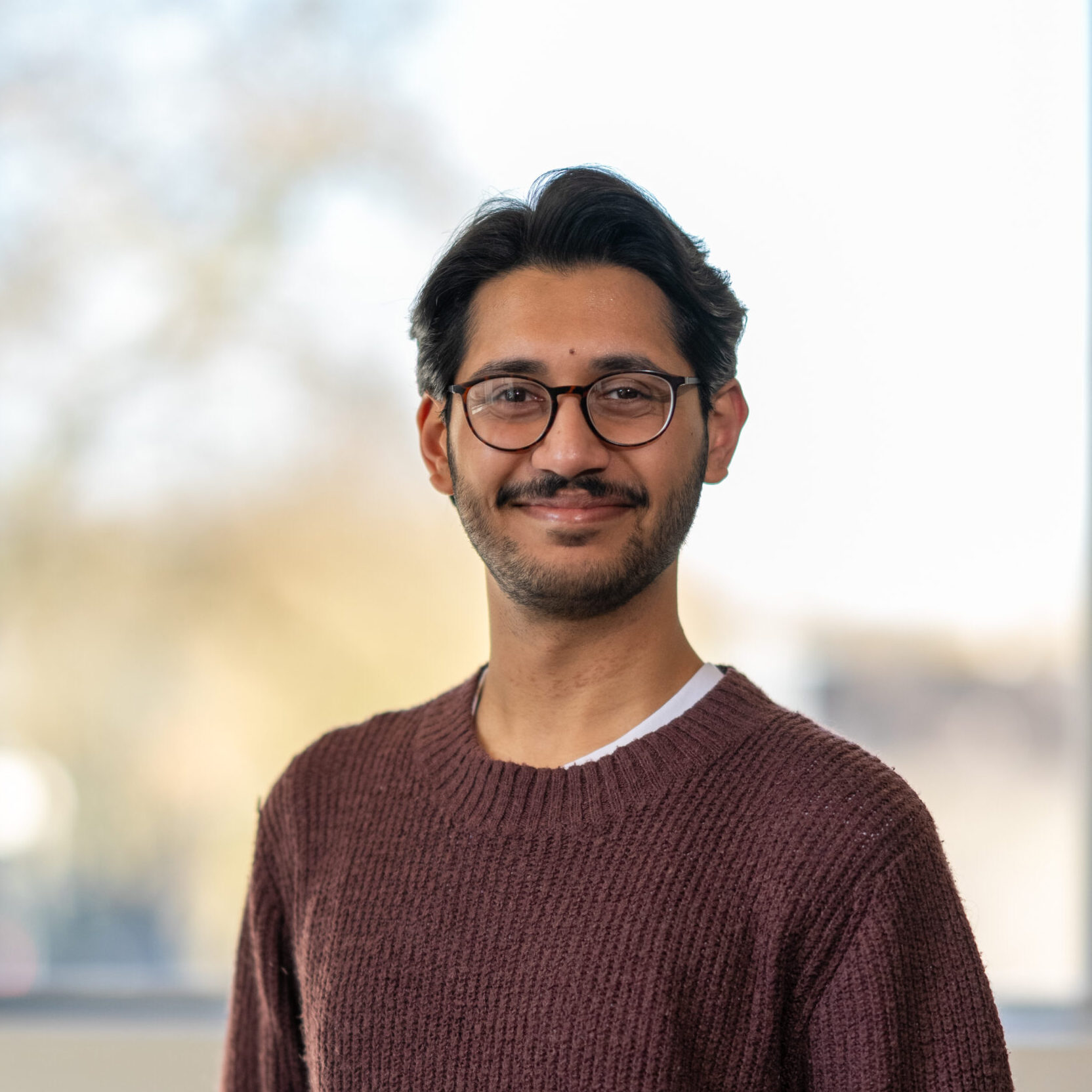
Project Title: Developing a Decarbonisation Framework for Difficult-to-Retrofit CLASP Schools and Libraries in Nottinghamshire
What were you doing before starting this PhD?
Prior to starting my PhD, I studied undergraduate architecture at the University of Nottingham. After graduating, I joined a local architecture practice as a Part I Architectural Assistant, primarily working on purpose-built student accommodation and small-scale renovation works to schools.Whilst studying, I also worked with various local organisations, including the Nottinghamshire Wildlife Trust and the Nottinghamshire Building Preservation Trust (NBPT).
What motivated you to apply for this specific PhD project?
With an architectural background, I have always been interested in modular, kit-of-parts design, alongside architectural history and building preservation. This project combines both interests, understanding the design motivations of the system and the historical contexts they were constructed in.
The project also offers a range of opportunities beyond architecture that address the sociopolitical and economic aspects of schools and libraries. An inherently political and highly relevant topic, I was motivated by the potential to work with local communities to raise carbon literacy and promote the potential of retrofit and the various co-benefits it can have.
What difference do you hope to make in Nottingham through this research?
This research aims to contribute to Nottingham City’s 2028 carbon neutral goal, and the wider national 2050 net-zero target. Through this, I hope to promote carbon and climate literacy within local communities, raise awareness of the transformational potential of retrofit, and support the creation of a climate adaptive and resilient city.
What do you hope to be doing in 5 years’ time? (personally and/or professionally)
In 5 years’ time I hope to be working with local organisations to support the development of resilient communities, and contributing to policy frameworks to enact wider and holistic changes that we require to adapt to the climate crisis.