
Collaboratory Researcher Profiles
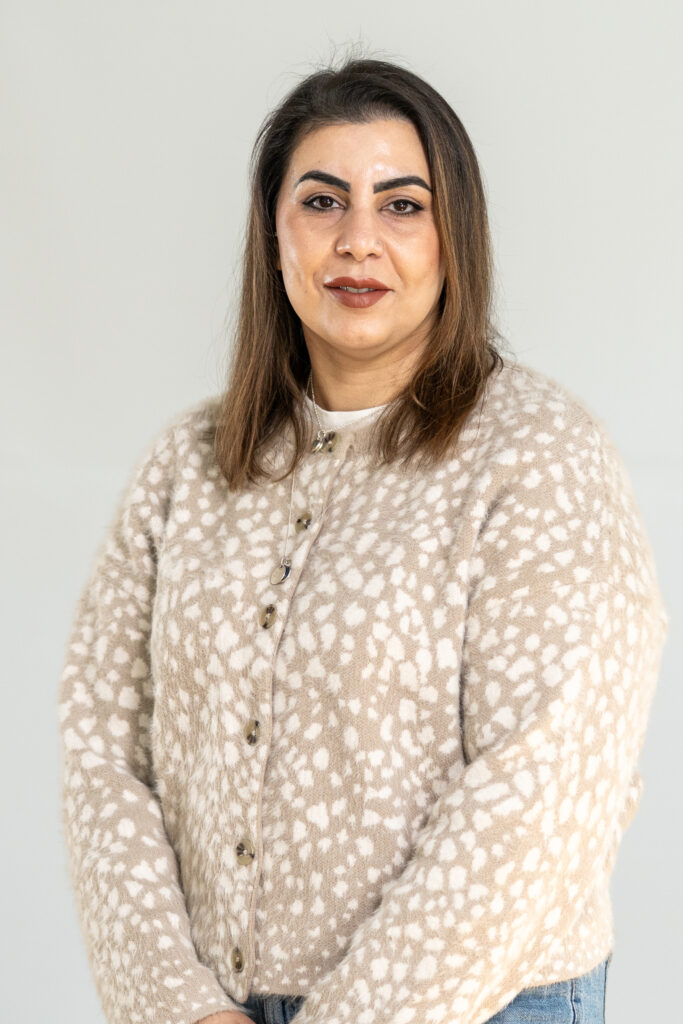
Project Title: Decolonising Addiction Recovery: Improving Access and Support for Ethnic Minority Communities through Culturally Informed Peer-Led Models.
What were you doing before starting this PhD?
Before my PhD, I worked for BAC-IN as their Community Rehabilitation Team Lead and was also part of the Senior Management Team. I have 25 years of experience in Community Engagement, the Domestic Violence and Abuse and Addiction Recovery sectors. Ranging from roles such as Team/Project Manager, Community Engagement: BAME specialist to Language Call Handler for a national honour-based abuse helpline. I have worked with survivors of DVA and honour-based abuse, those who have experienced trauma, individuals in addiction recovery, those experiencing multiple health issues and individuals who are facing severe-multiple- disadvantage.
In 2014 I qualified as the first Muslim Hijabi ABA Boxing Coach, which led to setting up a community group that delivered projects for vulnerable members of the local community. We have supported those who are facing health inequalities, supported women and young girls in accessing free Box-Fit classes, supported those who are experiencing honour-based abuse and domestic violence and abuse, we worked in partnership with the YMCA in delivering projects which have focused upon introducing young Muslim children and women to interviewing, podcasting and introducing them to a recording studio. We have also delivered projects which focused upon reducing the shame and stigma around mental health and addiction, and those who are at severe multiple disadvantage.
What motivated you to apply for this specific PhD project?
I have worked with vulnerable individuals since 2005 from ethnic minority backgrounds and have seen how they often feel a sense of mistrust and lack of understanding when reaching out for support for mental and physical health, domestic violence and abuse as well as addiction recovery from mainstream services.
They also face social stigma, guilt and shame that can increase barriers when accessing support, as they are afraid of being disowned by their families and wider community. Addiction is a complex issue surrounded by religious and societal opinions. Communities often feel that they cannot speak about addiction; therefore, research can support not only building improved policies, treatment and addiction recovery pathways but also opening up the door for conversation, education and training for professionals and community members.
I hope that my PhD in Addiction Recovery will contribute to closing the gap in research, contribute to more effective treatment pathways, contribute to education and training, spark conversations in communities which deny addiction, lessen the shame and stigma for vulnerable individuals and ethnic minority communities in Nottingham and beyond.
What difference do you hope to make in Nottingham through this research?
I hope to bring about a change in the way ethnic minorities access support for alcohol and substance misuse, ensure that treatment pathways are inclusive and culturally competent when designing and implementing their policies and practice. I hope my work can reduce the shame and stigma that ethnic minority communities can view addiction and encourage them to reach out for support that is inclusive and culturally competent to their needs.
What do you hope to be doing in 5 years’ time?
In five years, I shall be using the knowledge gained in my PhD to lead the conversations internationally about Addiction Recovery and the importance of culturally competent professionals who have the tools and knowledge to support individuals from ethnic minority backgrounds. I shall act as a bridge between community engagement and research and lead to changes in national and local policy, which shall improve the well-being and experiences of those who are mistakenly labelled as “hard to reach communities.”